Our values and priorities
Encode drives strategic advocacy to make AI work for the American people.
Prevent AI-enabled catastrophe
We believe AI could cause catastrophic risks, whether through deliberate misuse or the loss of human control.
Keep kids and families safe online
We believe young people deserve to grow up in a world that values human-to-human connection.
Prevent extreme power concentration
We believe AI should expand liberty and prosperity for everyone, not power and wealth for a few.
We try to act from a dynamic view of AI’s risks and benefits.
Every day, we consult with a deep bench of experts — including academics, AI safety researchers, employees of AI companies, and even our skeptics — to understand what’s happening with AI and how we can more effectively shape it.
AI is a complex, fast-moving societal force. No one has perfect information about how it will impact the world. But with limited time to get AI policy right, we believe we have a duty to act and to act in consideration of the best ideas available to us.

We try to take bold, pragmatic, and principled swings
Here’s how we thought about our sponsorship of California SB 53:
- We wanted to be bold. Many people assumed that policy would simply be too slow-moving to matter. We bet that states, characteristically responsive and nimble, could lead the way. This wasn’t obvious: no frontier AI regulations had been passed before in the United States, and in fact our own previous attempt in California failed when SB 53’s predecessor was approved by the legislature but ultimately vetoed by the governor. Still, we were optimistic that success in the home state of the largest tech companies in the world could have a flywheel effect for future AI legislation.
- We wanted to be pragmatic. We value real impact over the theoretical kind. So with SB 53, we drew on lessons from our past experience to come back stronger in negotiations with industry opponents and shape a bill that could actually pass.
- We wanted to be principled. We were determined to get SB 53 passed, but we also knew which trades we couldn’t make in good conscience without undermining the fundamental goal of the bill: to require transparency for risks associated with the internal and external deployments of the most capable AI systems. Where we did make compromises, they converted into fuel for the future. Industry lobbied to remove a third-party auditing provision in California, so we lobbied to restore it in Illinois. And we know there’s much more room for progress ahead, which is precisely why we are so invested in staving off preemption of state AI laws without a robust federal standard.
We try to unite broad coalitions
To win, you need friends by your side. The moonshots worth chasing have to do with aligning competing incentives, which rarely comes without cooperation and compromise.
We are very clear on our north star: doing what it takes to make AI work for the American people. We actively scout for opportunities to bridge “strange bedfellows” and build coalitions across partisan and ideological divides. We’ve worked with Democrats and Republicans, populists and technocrats, people who fear AI and people who build it; the mission is more important to us than any purity test.
Related posts
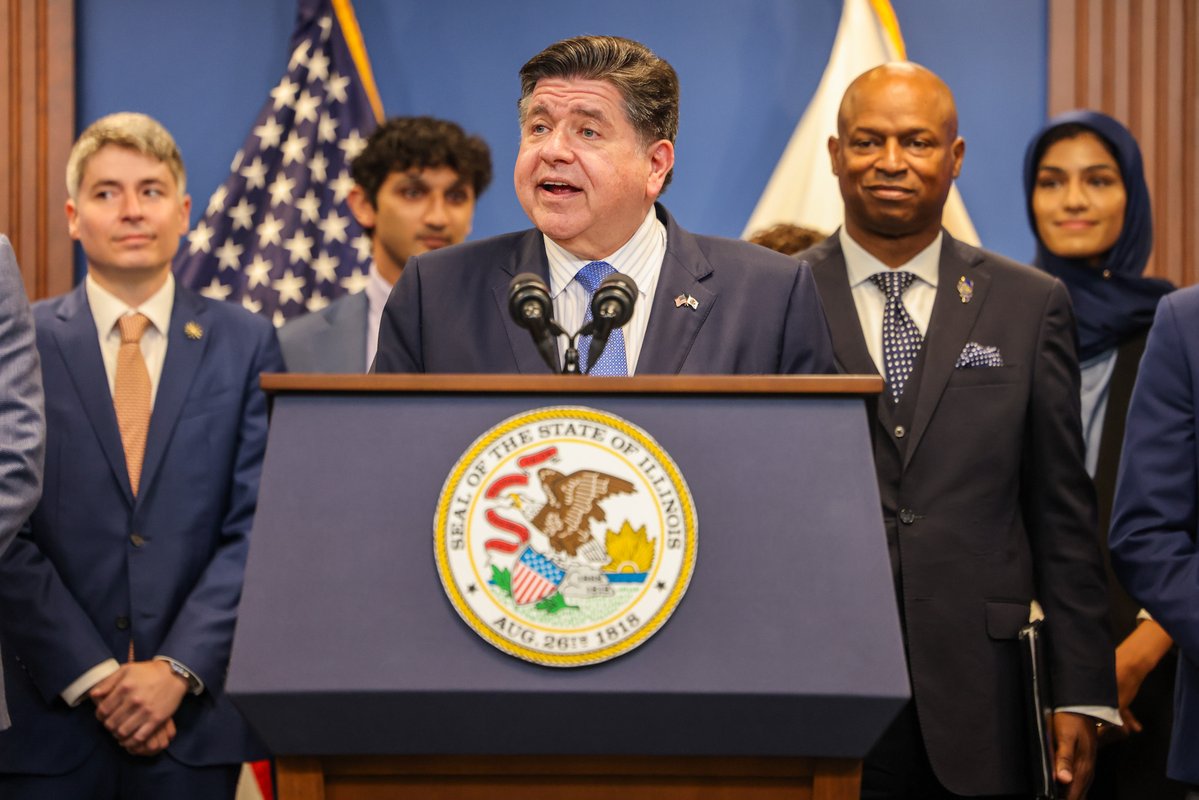
NBC 5 Chicago: New Illinois law aims to prevent AI catastrophes before they happen
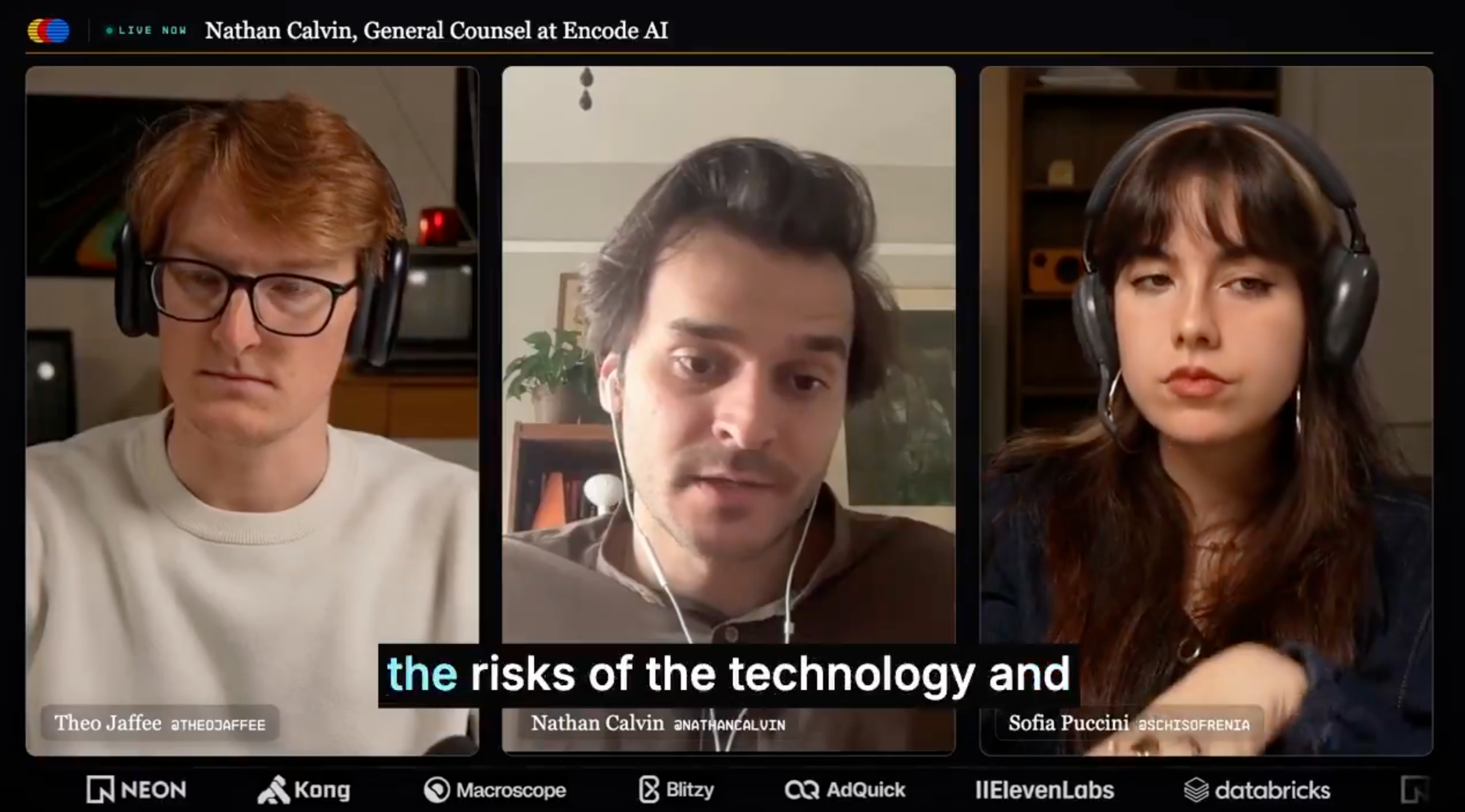
MTS: Why is the question no longer whether government regulates AI but how?