NBC 5 Chicago: New Illinois law aims to prevent AI catastrophes before they happen
Introduction
Sunny Gandhi, the co-executive director of Encode AI, called the law "the strongest AI safety law in the country."
Read the full article in NBC 5 Chicago here.
Amid concerns that artificial intelligence could be used in harmful ways, Illinois has enacted a new law requiring large AI companies to establish safety standards and be more transparent.
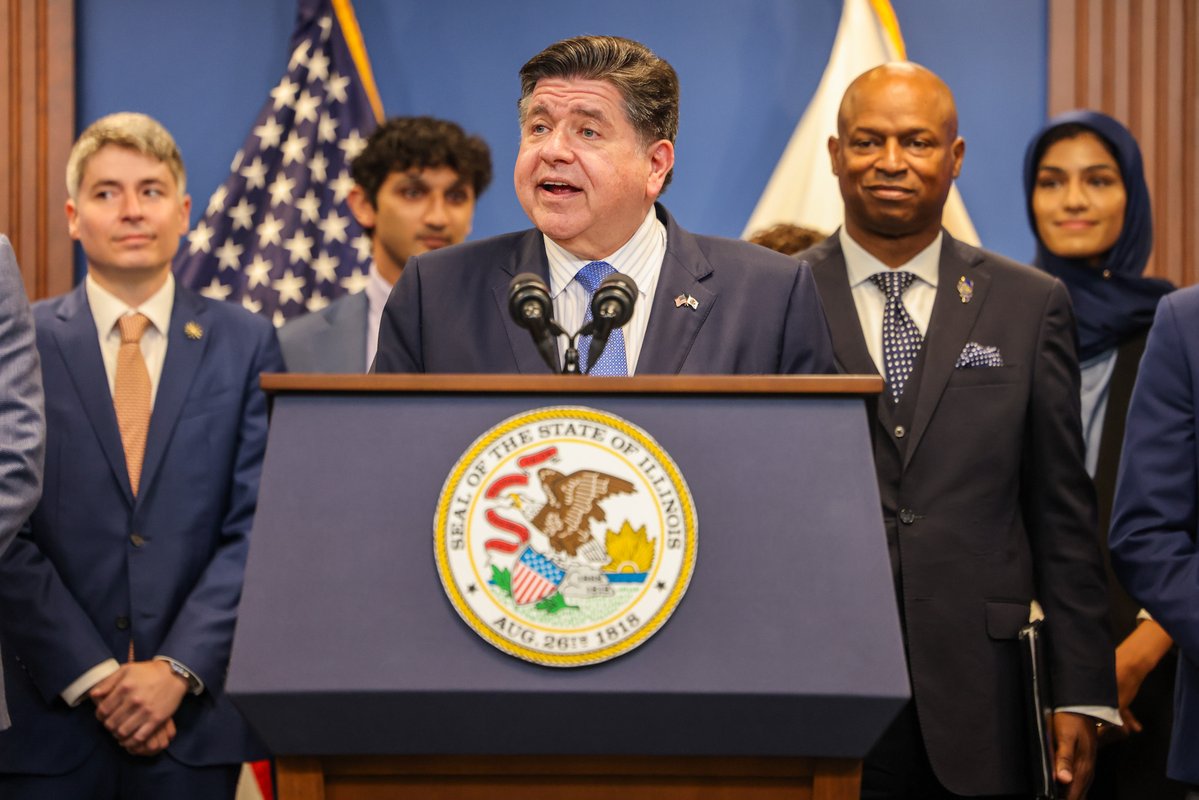
On Monday, Gov. JB Pritzker signed the Artificial Intelligence Safety Measures Act, which has provisions that mirror legislation in California and New York.
The law, which takes effect on Jan. 1, 2027, puts a framework in place for large AI companies like OpenAI and Anthropic, both of which supported the bill. Companies will be required to publicly disclose safety practices and report safety incidents.
“Developers must report critical safety incidents within 72 hours, or within 24 hours if the incident poses an imminent risk of death or serious physical harm,” Pritzker explained.
Illinois also will be the first state to require third-party audits of AI systems. Companies that violate the law could be fined $1 million the first time and up to $3 million for each subsequent violation.
In addition, there are new protections for whistleblower employees who raise concerns about AI safety. Sunny Gandhi, the co-executive director of Encode AI, called the law “the strongest AI safety law in the country.”
“This bipartisan law is about putting responsible safeguards in place before a preventable catastrophe occurs,” State Sen. Mary Edly-Allen, D-Grayslake, said in a news release.
Pritzker said he and members of his office use AI “almost every day,” but he and state lawmakers said they understand the dangers it poses.
“We have already seen the first AI-inspired mass shooting. We have seen AI systems utilized to attack a municipal water and drainage utility,” said State Rep. Daniel Didech, D-Buffalo Grove.
Edly-Allen mentioned other ways she believes the technology could be harmful, including fraud, election interference and cyber threats.
Lawmakers could tackle more AI regulations in the veto session later this year.
“AI is still raising prices for online purchases. It’s still having too great an impact on our utility bills and natural resources. It still challenges the way we access accurate information and how we make critical decisions in our democracy,” said Illinois House Speaker Emanuel “Chris” Welch.
Edly-Allen told NBC 5 she would like to address AI related to education and child safety, including regarding mental health issues and the use of chatbots.
“If we got social media wrong, and we did, we cannot afford to get AI wrong at an even greater scale,” Edly-Allen said.
State lawmakers have already taken steps to address AI in hiring, deepfake pornography and protections for artists whose voices are used by AI without their consent.
related posts
Politico: Why AI vetting is freaking people out
Fortune: Sam Altman says AI superintelligence is so big that we need a ‘New Deal’
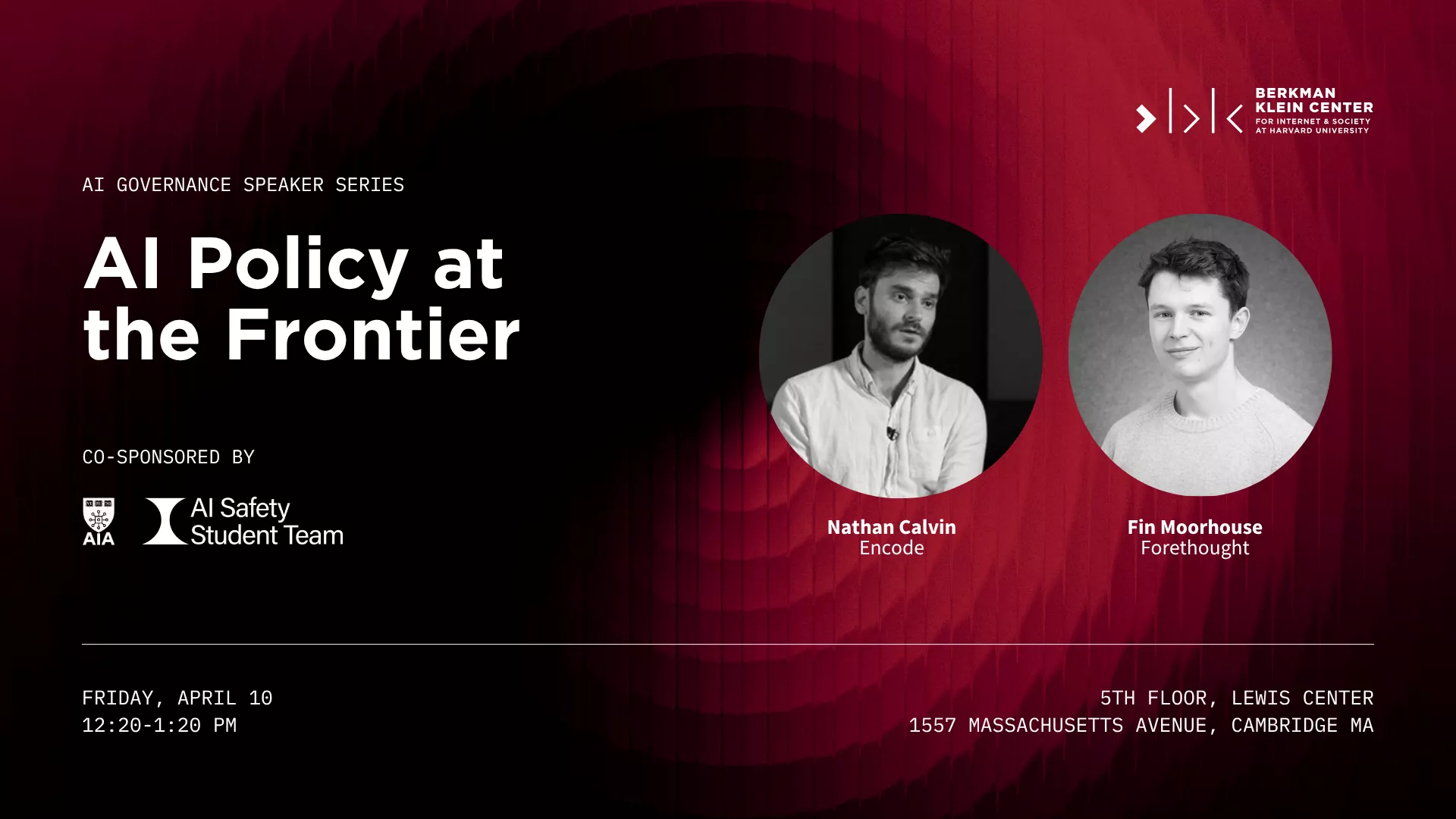
Harvard Berkman Klein Center: AI Policy at the Frontier, A Conversation with Nathan Calvin (Encode) and Fin Moorhouse (Forethought)